

The Warning Signs Hiding in Your Walls and Ceilings
Drywall covers most of your walls and ceilings, so when something is off, you spot it quickly. A crack near a doorway. A soft patch overhead. A stain that keeps spreading no matter how many times you repaint it. These issues almost always start small, but they rarely stay that way. At Brown’s Drywall Repair, we see these situations every day. Many homeowners call thinking it is only cosmetic, then learn there is moisture behind the surface or shifting in the framing. Catching those signs early makes a real difference. It saves time, limits damage, and keeps repair costs from climbing.
Let’s take a closer look at the drywall problems that show up most often and what they usually tell you about what is happening inside your home.
Cracks in Walls and Ceilings
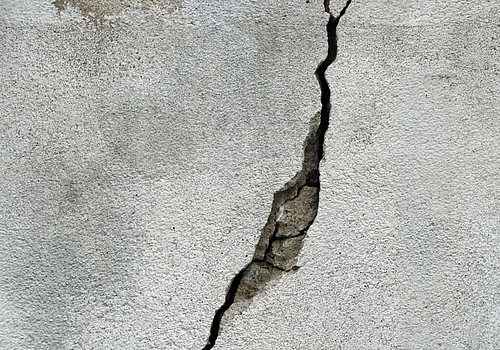
Cracks are one of the first things people notice. Some are thin and short. Others run along corners, ceilings, or door frames. Most cracks appear because of temperature and humidity change through the seasons. Drywall expands and contracts, and stress lines form where movement is strongest.
Small cracks may seem harmless, but if they keep coming back after patching or start spreading, that is a sign something deeper is going on. That is when it makes sense to call a professional to take a closer look.
Nail Pops and Bumps
Have you ever seen little round bumps pushing through the paint? Those are usually nail pops or screw pops.
They happen when the framing behind the wall shifts slightly and pushes the fastener outward. Moisture and seasonal changes make this more common. It does not always mean something serious, but ignoring them can lead to drywall and bigger surface damage over time. A proper repair fixes the fastener, reinforces the area, and smooths the surface so it blends back in.
Water Stains and Soft Drywall
Water is one of drywall’s biggest enemies. You might notice yellow or brown stains spreading across the ceiling or wall. Sometimes the surface feels soft when you press on it. In worse cases, the drywall may sag or crumble.
Leaks from roofs, pipes, bathrooms, or appliances are usually the cause. High humidity can also play a role. The key is this. Painting over a stain does not fix the problem. The moisture source has to be handled first, and damaged drywall often needs to be replaced.
Bulging or Warped Panels
Drywall should sit flat and solid. If a wall starts bowing outward or looks wavy, moisture is often behind it.
Warping shows up most often near kitchens, bathrooms, laundry rooms, and basements. When drywall absorbs water for too long, it loses strength and shape.
This is not something to put off. Bulging panels can get worse quickly and sometimes hide mold growth underneath.
Mold Spots on the Surface
Dark specks or fuzzy patches on drywall usually mean mold or mildew. These often appear in damp areas or places with poor ventilation. Mold does not just affect how a wall looks. It can impact air quality and signal ongoing moisture problems inside the structure.
That is why many homeowners compare drywall companies in North Carolina when moisture or mold becomes part of the picture. Experience matters in situations like this.
Peeling Paint or Loose Texture
Paint or texture that starts bubbling, flaking, or pulling away from the wall is another warning sign. Sometimes it comes from moisture. Other times it is caused by poor surface prep during an earlier repair.
Either way, repainting alone usually will not solve it. The underlying drywall has to be checked, repaired, and sealed correctly before a fresh finish goes on.
Small Dents and Everyday Damage
Life happens. Furniture bumps into walls. Door handles swing too far. Kids and pets leave their mark. Small dents and holes are common and often easy to fix when handled early. Let them sit too long, though, and they can collect moisture or crack around the edges, turning a quick patch into a larger project.
Why These Problems Should Not Be Ignored
Here’s the thing. Drywall damage is rarely just about appearance. A crack can let moisture inside the wall. A stain can point to a slow leak. A soft ceiling can become a safety issue. Catching these problems early usually means simpler repairs and lower costs.
We focus on careful assessment, clean repairs, and making sure the finished surface blends naturally with the rest of your home. The goal is not just to cover damage but to fix it the right way so it stays fixed.
Final Thoughts
Drywall problems are common, but they do not have to turn into major headaches. Pay attention to cracks, stains, bumps, and soft areas. These little signs often tell a bigger story about what is happening inside your walls.
When something feels off, do not wait. Getting help early protects your home, keeps repair costs under control, and restores the clean look of your walls and ceilings. That is what good drywall work is really about.
FAQs
1: What causes water stains on ceilings or walls?
Leaks from roofs, plumbing, bathrooms, or appliances are common causes. High humidity can also play a role. Painting over the stain will not fix the problem.
2: How do I know when it is time to call a drywall contractor in Brevard, NC?
If damage spreads, feels soft, keeps reappearing, or involves water or mold, it is time to call for help.
3: How long does drywall repair usually take?
Minor repairs may take a few hours. Larger sections or ceiling repairs can take a day or more depending on drying time.
4: Are small drywall cracks something to worry about?
Some small cracks are normal. If they keep coming back, grow longer, or show up with stains or soft spots, it is smart to have them checked.
‹ Back
Recent Posts
-
-
-
-
-
The Warning Signs Hiding in Your Walls and Ceilings
February 19, 2026