October 13, 2026
A smooth, flawless drywall installation serves as the foundational element for any successful interior renovation or new construction project. Choosing the right drywall contractors ensures that your living spaces achieve long-term structural integrity, crisp architectural lines, and polished finishes ready for painting. Engaging skilled trade professionals mitigates future wall defects while protecting your property from premature surface damage. Whether you require complete residential drywall installation, ceiling water damage repair, or seamless texture matching, making an informed hiring decision protects your overall interior investment and ensures superior home comfort.
Navigating the hiring process requires clear insight into your project requirements, proper background verification procedures, and effective management strategies. Working with qualified drywall contractors transforms complex wall and ceiling projects into organized, hassle-free structural improvements. From basic hole repairs to specialized mold-resistant sheetrock installation, selecting an experienced crew sets the standard for high-quality workmanship. This comprehensive guide outlines the essential steps needed to evaluate professional capabilities, verify trade credentials, and oversee your project from initial preparation through final inspection.
Understand Scope and Timeline
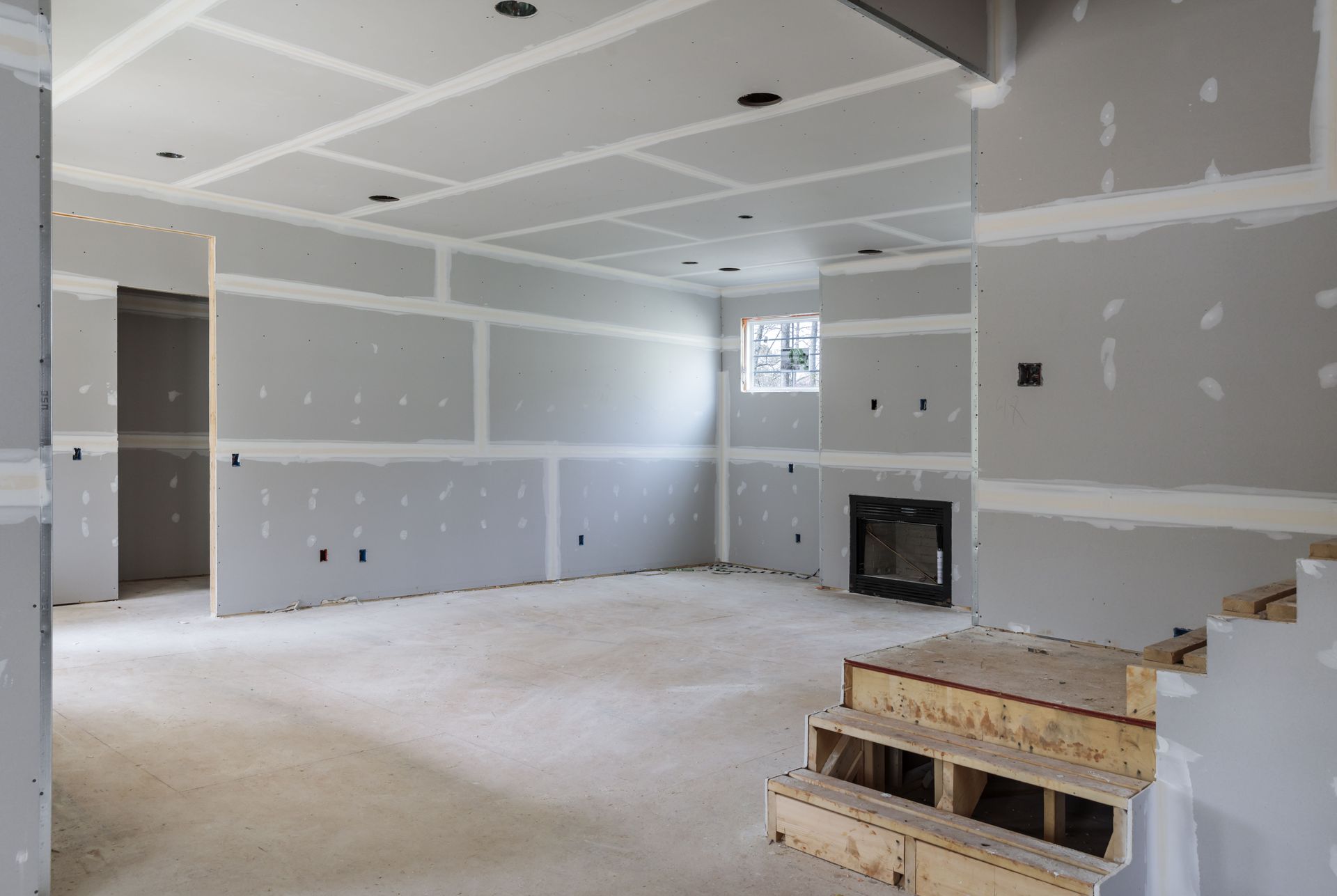
Assessing the specific scope of your project serves as the vital starting point before contacting potential trade specialists. Begin by conducting a thorough walkthrough of your property to identify every room requiring wall or ceiling intervention. Clearly delineate between straightforward cosmetic patching, such as repairing surface cracks or small nail holes, and full-scale wall removal or basement drywall installation. Documenting specific room dimensions, ceiling heights, and specialized surface requirements—such as moisture resistance in bathrooms or acoustic dampening in home offices—enables precise communication with technical experts during initial consultations.
Establishing realistic project timelines forms another crucial layer of preparation before starting construction work. Determine how your sheetrock installation schedule interacts with other renovation phases, including electrical rough-ins, plumbing modifications, framing setup, or final interior painting. Skilled drywall contractors evaluate site readiness, compound drying times between coats, and surface sanding phases to propose realistic schedules that keep your project moving forward smoothly without compromising finish quality. Aligning your scheduling expectations early prevents unnecessary delays and ensures that all site preparation proceeds systematically.
Evaluate Experience and Credentials
Verifying formal credentials and industry background helps filter prospective trade professionals effectively and reliably. Check that candidates hold active state licensing, proper general liability coverage, and comprehensive workers' compensation protection for their entire crew. Working with properly insured drywall contractors safeguards your home against unexpected site accidents while guaranteeing compliance with local building codes. Experienced teams bring technical expertise to complex structural tasks, such as seamless tape joining, corner bead installation, popcorn ceiling repair, and intricate ceiling restorations.
Industry stability and professional qualifications remain strong indicators of consistent workmanship across residential and commercial settings. According to the U.S. Labor of Statistics, employment for drywall installers, ceiling tile installers, and tapers is expected to grow by 4% from 2024 to 2034, highlighting steady demand for qualified craftsmanship. Assessing trade longevity and formal training ensures that your chosen crew possesses up-to-date knowledge regarding modern building codes, structural framing considerations, joint compound application, and advanced surface finishing techniques.
Review Portfolios and Workmanship
Examining completed project portfolios provides concrete visual evidence of a trade team's finishing precision and technical versatility. Request detailed photo documentation showcasing past sheetrock installations across various surface types and unique architectural conditions. Pay close attention to smooth wall transitions, flat ceiling seams, and uniform corner joints in past projects. Quality workmanship reveals itself in subtle details, such as invisible patch borders, even compound coats, precise outlet cutouts, and flawless surface texture matching throughout renovated rooms.
Direct feedback from previous residential clients offers authentic insight into daily operational reliability and jobsite professionalism. Contact recent client references to inquire about workplace clean-up habits, daily punctuality, and respect for personal property during active construction. Reputable drywall contractors readily share client testimonials that highlight their ability to handle complex plaster repairs, water damage restoration, and custom ceiling finishes. Gathering first-hand accounts confirms whether a crew consistently delivers clean, high-grade results on schedule while respecting your home.
Assess Communication and Readiness
Evaluating communication skills during initial consultations reveals how effectively a team manages technical execution and client updates throughout the job. Reputable drywall contractors explain technical procedures, material options, and drying timelines in clear, straightforward terms without unnecessary jargon. Observe whether prospective professionals listen attentively to your specific finishing goals, answer technical questions candidly, and offer practical suggestions for challenging architectural layouts. Open dialogue during early planning establishes mutual understanding and sets a positive tone for ongoing collaboration.
Assessing problem-solving capabilities and site readiness is equally critical when managing active home renovation environments. Interior construction projects frequently present unexpected framing variations, hidden moisture damage, or uneven ceiling joists that require immediate technical adjustments. Inquire how prospective specialists handle unexpected structural inconsistencies or surface degradation discovered during initial wall preparation. A capable team demonstrates adaptability by recommending corrective framing adjustments or specialized mold-resistant materials to ensure long-term wall stability.
Formalize Contracts and Expectations
Securing a comprehensive written agreement formalizes all project parameters and establishes clear operational boundaries for everyone involved. A detailed contract must outline the exact scope of work, material specifications, wall preparation steps, and target completion dates. Ensure the document specifies joint compound grades, paper or mesh tape types, corner protection materials, and primer application standards for complete surface uniformity. Establishing explicit written expectations minimizes potential misunderstandings and provides a clear reference framework for both property owners and working crews.
Defining jobsite management rules and cleanup obligations within the contract maintains property safety throughout installation. Drywall hanging, taping, and sanding naturally produce fine dust, requiring deliberate containment protocols such as plastic containment barriers, floor protection, and localized dust extraction equipment. Reliable drywall contractors detail their daily containment procedures, debris disposal arrangements, and final walkthrough criteria directly within the written agreement. Clear operational provisions protect your living areas and guarantee that the site remains clean upon completion.
Manage Progress and Quality
Maintaining structured oversight throughout execution keeps your project aligned with established quality standards and scheduling milestones. Schedule regular walkthroughs with site supervisors to review progression through key phases, including board hanging, joint taping, mudding coats, and final sanding. Engaging proactive drywall contractors during intermediate inspections allows for immediate review of seam flatness, texture consistency, and corner alignment before primer application. Consistent progress monitoring ensures that minor surface imperfections receive prompt attention before final painting.
Conducting a meticulous final inspection ensures every wall and ceiling surface meets your aesthetic and functional expectations completely. Examine finished surfaces under bright directional lighting to verify smooth seam transitions, crisp wall-to-ceiling lines, and consistent surface textures. Confirm that all outlets, light switches, and wall fixtures fit flush against the new sheetrock without surface gaps or damaged edges. Systematically verifying finish quality gives you complete confidence that your newly installed or restored surfaces are fully prepared for final paint application.
Hiring the ideal trade team requires methodical planning, thorough credentials verification, clear written agreements, and consistent project oversight. By defining your project scope, inspecting past portfolio work, and establishing open communication channels, you protect your property investment and ensure outstanding finish quality. Experienced professionals bring essential technical skills that turn damaged or unfinished interior spaces into smooth, durable, and visually appealing living environments.
Whether you are planning a complete basement finish, restoring ceiling water damage, or removing outdated wall textures, choosing qualified specialists guarantees exceptional craftsmanship and lasting durability. Quality wall and ceiling work elevates home comfort and enhances long-term property value across every room. To experience superior craftsmanship, attentive service, and lasting peace of mind on your next interior project, contact us today at Brown's Drywall Repair.